Innovation City's headline positioning — fast licensing, AI-native infrastructure, and what to diligence before you commit.
Innovation City — relaunched from RAK Digital Assets Oasis — markets itself as the world's first AI-powered free zone, backing the claim with 2–3 day licensing for qualifying founders and purpose-built digital infrastructure aimed at AI-native teams. It's a pitch built to compete with DIFC and ADGM on speed, if not yet on scale.
AI sits alongside Web3/digital assets, gaming/iGaming, robotics, and healthtech as one of the zone's five founding sectors, and is arguably its headline positioning — the one most explicitly marketed to founders deciding where to base an AI company today.
The zone's AI positioning spans both AI-native companies licensing there and AI-driven internal tooling for the licensing process itself (the speed of approval is itself part of the pitch). Founders should evaluate it as a licensing and cost decision first — infrastructure, compute access, and talent availability are still maturing relative to established AI hubs, and should be diligenced directly rather than assumed from marketing positioning.
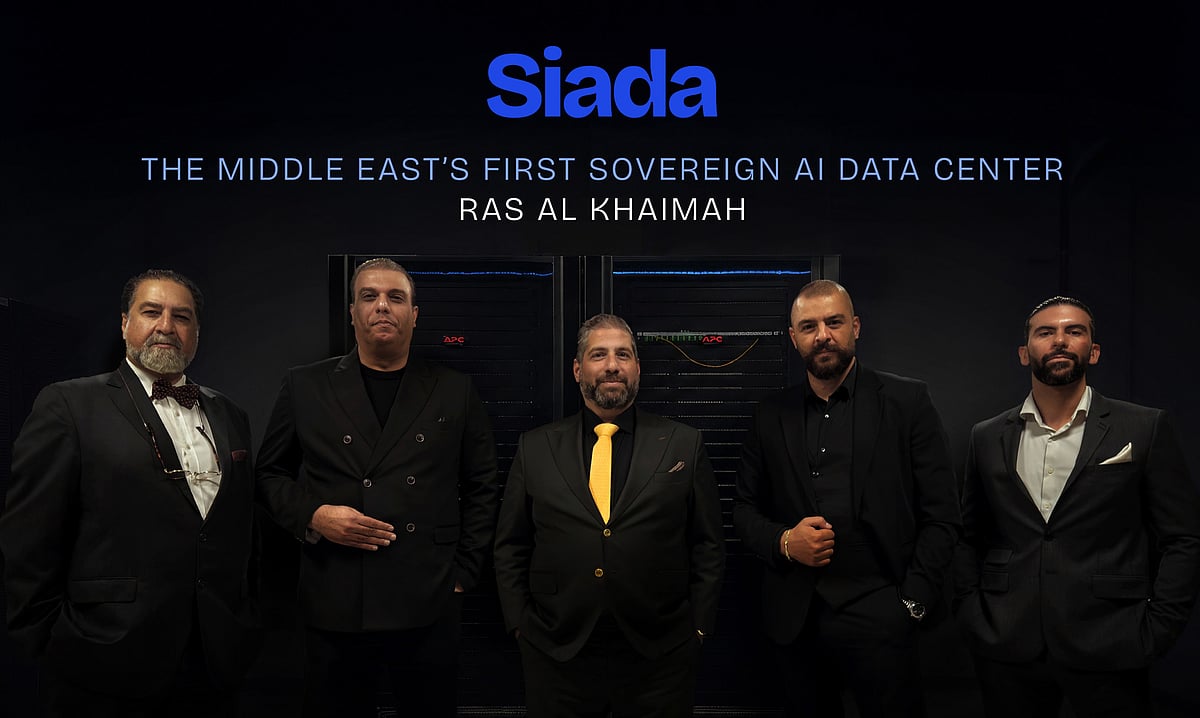
Nvidia B200 GPUs go live inside the free zone, with all processing and data kept under UAE jurisdiction.
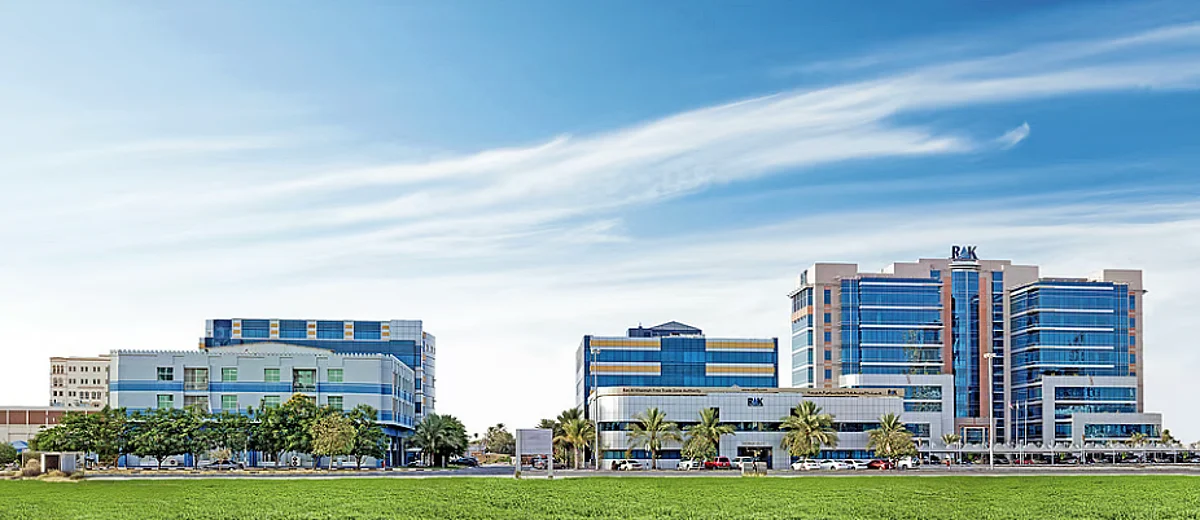
Innovation City is courting AI-native founders with fast approvals and purpose-built infrastructure.
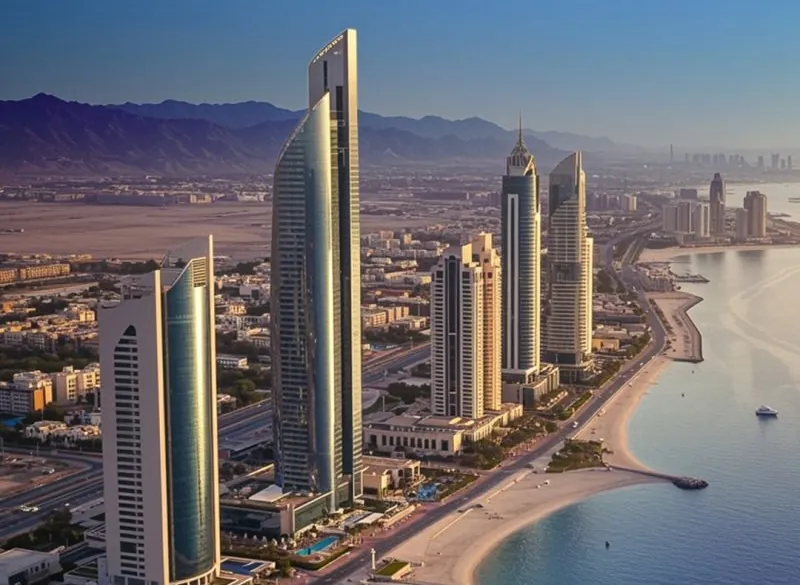
The rebranded free zone pitches itself as a base for the region, spanning AI, Web3, gaming, robotics and healthtech.
It's a positioning claim built on fast, digitally-native licensing (2–3 days) and a founding-sector focus on AI companies — not a guarantee of specific compute infrastructure or talent pipelines, which founders should diligence directly.
DIFC and ADGM offer more established fintech/tech ecosystems and larger existing company bases. Innovation City's advantage is speed and cost — a faster, cheaper entry point, with a smaller but growing ecosystem.